What could they do? Resistance and Kurt Jooss in Wasseralfingen
Date and Time
Artist
Location
Price
About this Event
Mood
Venue Type
A place of remembrance that makes attitudes visible
The exhibition What could they do? Resistance against National Socialism 1939 – 1945 compellingly conveys in the museum gallery at the Bürgerhaus Wasseralfingen how diverse resistance in everyday life, politics, art, and personal action could look. The special section on Kurt Jooss connects local history with international dance and cultural history and opens the view to an artistic experience that is both historical and moving.
Resistance as a human decision
At the center is the question of what people could do under the conditions of dictatorship. The traveling exhibition of the German Resistance Memorial shows different forms of resistance against the Nazi regime: passing on banned information, printing and distributing leaflets, helping the persecuted, and the courageous attempt to overthrow Hitler's rule. It is precisely this diversity that makes the exhibition an intense examination of historical civil courage.
Kurt Jooss: Dance, Exile, and Artistic Integrity
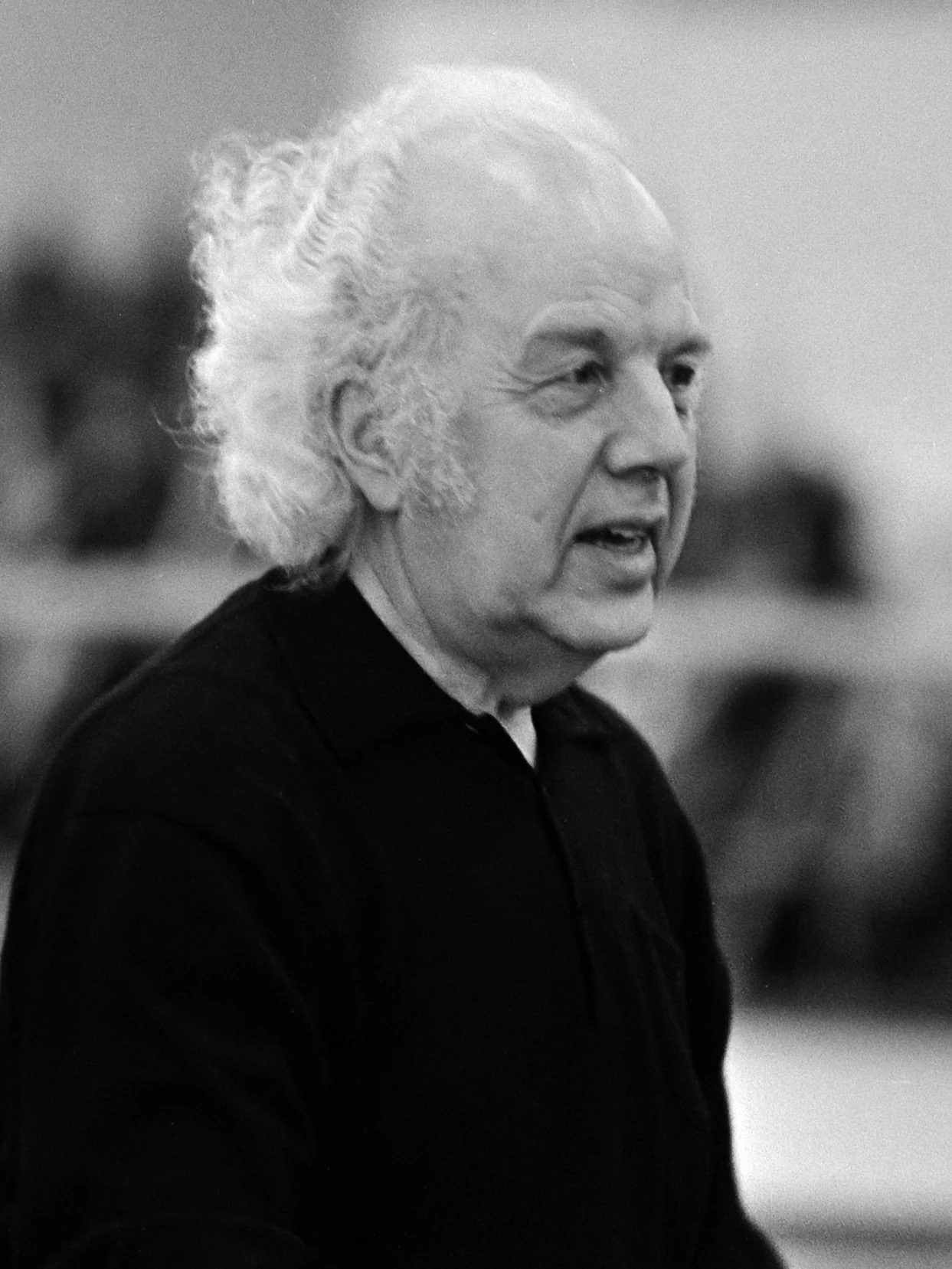
The special section is dedicated to the choreographer Kurt Jooss, who originated from Wasseralfingen. When the National Socialists demanded the dismissal of his Jewish employees, he left Germany with his ensemble and continued his work in exile. Jooss is considered a formative figure of modern dance; his name is closely associated with the anti-war choreography The Green Table. In the exhibition, he appears not only as an artist but as a personality with a stance.
The museum gallery as a space of aesthetic experience
The museum gallery in the Bürgerhaus Wasseralfingen provides a suitable framework for this. The place connects regional art education with local history and creates a calm, focused exhibition atmosphere. Visitors encounter a topic here that does not create distance, but rather understanding, empathy, and cultural education.
Accompanying program and reason to visit
As part of the exhibition, there will be a film evening on October 27 in cooperation with the Kino am Kocher: Kurt Jooss, The Green Table will be shown there. Such complementary formats deepen the artistic experience and make it clear that exhibition, film, and remembrance culture work meaningfully together here. Admission is free, based on donations.
Conclusion
Anyone interested in contemporary history, resistance, dance history, and cultural education will find here an exhibition of great intellectual density. It challenges not only seeing but also reflection. A visit is definitely worthwhile, as this exhibition does not manage history but makes it vibrantly experienceable.
Official channels of Bund für Heimatpflege Wasseralfingen e.V.:
- Instagram: No official profile found
- Facebook: No official profile found
- YouTube: No official profile found
- Website: No official profile found
Sources:
- City of Aalen - Exhibition What could they do
- Wasseralfingen Culture & Leisure - Museum Gallery in the Bürgerhaus
- Ostalbkreis - Museum Gallery in the Bürgerhaus Wasseralfingen
- Aalen Culture - Museum Gallery in the Bürgerhaus
- What could they do? - Official project page
- Folkwang University of the Arts - Kurt Jooss