Rudolf Haegele on the 100th Birthday in the Gallery at the Town Hall Aalen
Date and Time
Artist
Location
About this Event
Mood
Venue Type
Rudolf Haegele on the 100th Birthday: Painting Between Revolt and Love for the World
The gallery at the Town Hall Aalen honors the painter, graphic artist, and glass designer Rudolf Haegele with a focused exhibition for his 100th birthday. In concentrated groups of works, an artistic experience unfolds that oscillates between expressive gesture, mythological symbols, and cultural-historical references. An invitation to contemplate the works and aesthetic experience in a light-filled exhibition atmosphere.
Biography and Art Historical Context
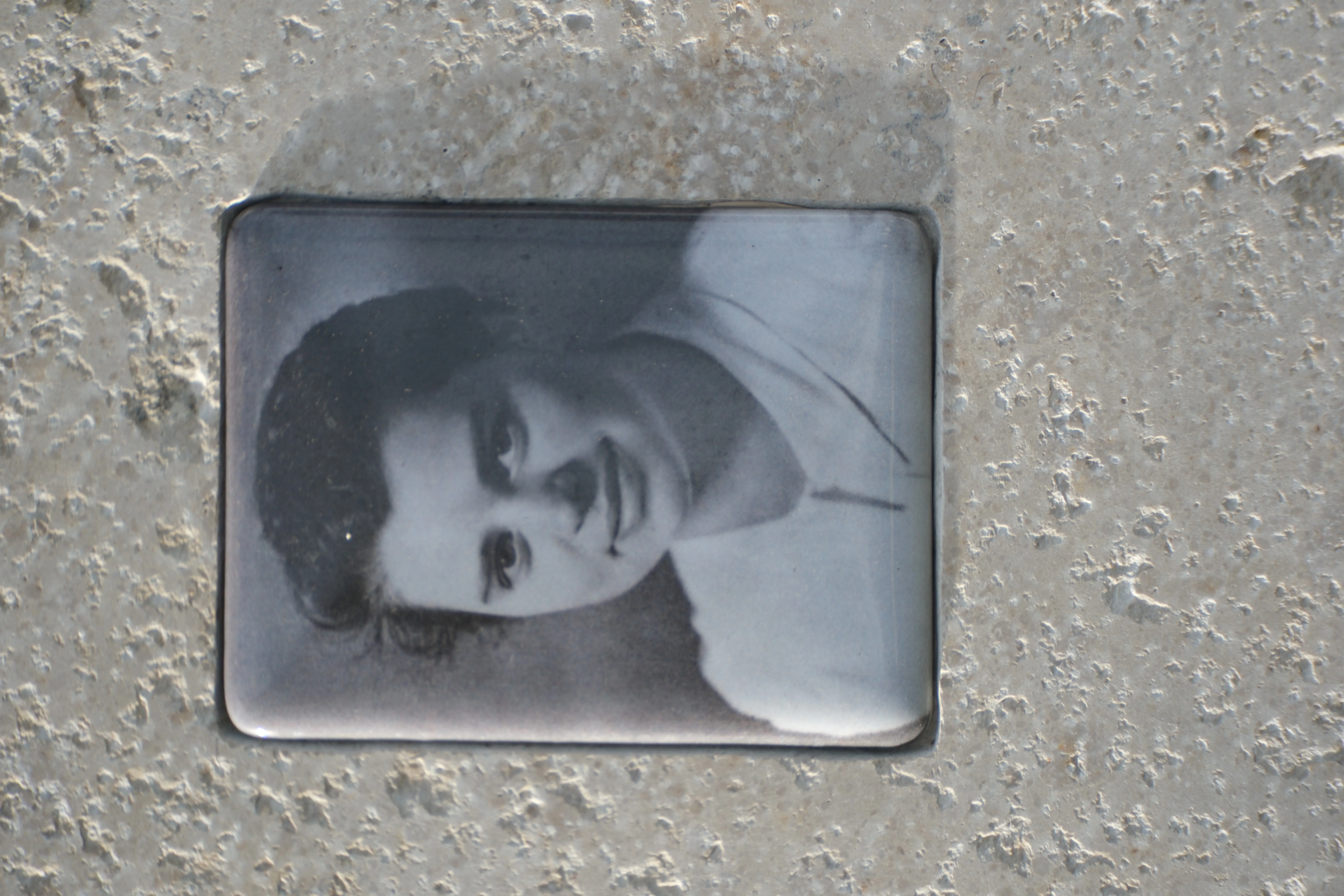
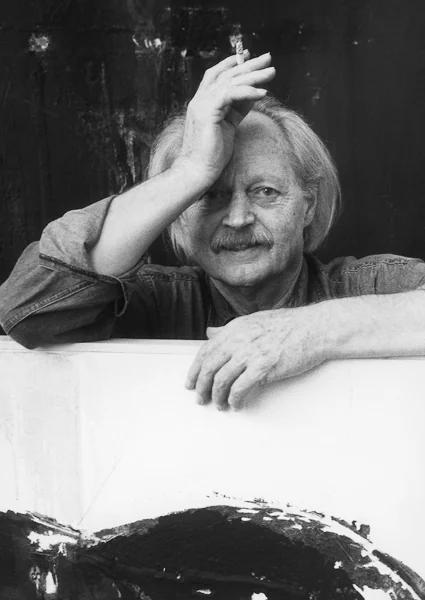
Rudolf Haegele, born in 1926 and passed away in 1998, shaped the southern German art scene for decades. Appointed as a professor of painting at the State Academy of Fine Arts Stuttgart in 1965, he led a class there until 1992 that combined technical precision with artistic freedom. In 1968, he presided over the Stuttgart Secession – a sign of his authority in the discourse on artistic direction, era, and contemporary curation.
Painting as Palimpsest: Materials, Colors, Spatial Effect
Haegele's paintings condense mixed techniques on canvas and board into haptic surfaces. Glazing color fields layer over graphic interventions, cracks, and traces – painting appears as a palimpsest. Earthy ocher and rust tones stand alongside powerful blacks; bundles of lines cut into color fields and open up space. The contemplation of works makes corporeal energy, temporal deposits, and vulnerability perceptible.
Motif Fields: Myth, History, Topography
Leading motifs revolve around mythology and memory. Titles like 'Palimpsest Volterra' (1981) or 'Maenads' (1977) evoke Mediterranean cultural sites and ancient figures; works like 'Hohenasperg (In memoriam C. F. D. Schubart)' (1990) link regional history with artistic reflection. The series 'Palimpsest' condenses history, landscape, and written trace into existential topography.
Glass and Light: Sacred Spaces as Resonators
In addition to painting, Haegele designed stained glass windows for ecclesiastical and communal spaces in southern Germany. Colored beams of light, lead rods, and transparent zones translate his painting principles into spatial drawings of light – a transmedial continuum of painting, sculpture, and installation in an architectural context.
Museum Education: Seeing, Reading, Interpreting
The exhibition is suitable for guided discussions of the works, school classes, and art-interested groups. Terms like chiaroscuro, image carrier, layering, and iconography are made tangible. Visitors train their perception between detailed observation of the material skin and analysis of the composition.
Conclusion
This retrospective presents Haegele as a sensitive constructor of color, form, and time. Those who attend the exhibition experience dense painting that intellectually challenges and emotionally sustains. An event for all who wish to experience art history in a lively, sensual, and discursive manner.
Official Channels of Rudolf Haegele:
- Instagram: No official profile found
- Facebook: No official profile found
- YouTube: No official profile found
- Website: No official profile found