Discover Skateparks & Street Art in Aalen
Skateparks, Street Art & Urban Culture in Aalen: Event Outlook and Participation Formats from 2026
This article compiles future-oriented event formats around skateboarding, BMX/scooter, pumptrack riding, and legal street art in Aalen – including tips for participation, safety, on-site behavior, and good organization.
Status: Focus on upcoming dates and recurring formats (from 2026). Official announcements are usually published at short notice – please check the organizers' current information before traveling.
What’s Exciting Next in Aalen (from 2026)
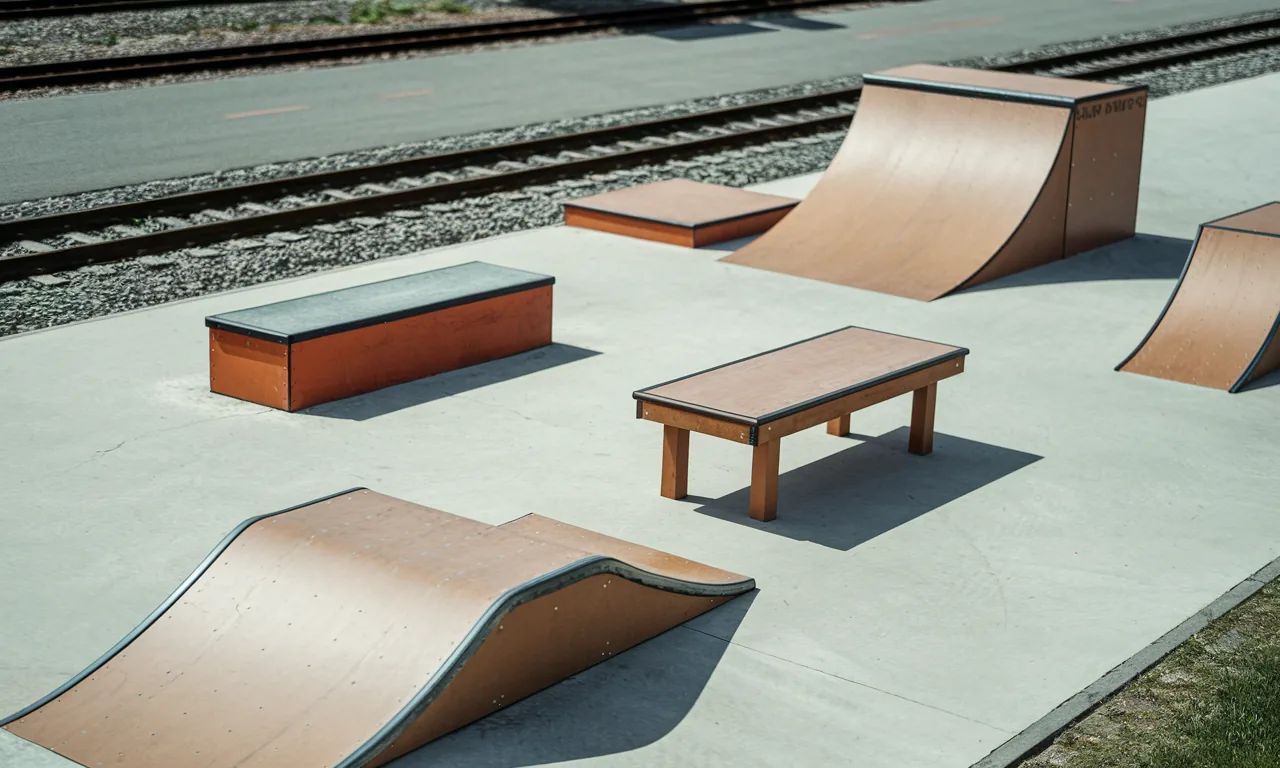
Aalen is suitable as a stage for urban culture events because athletic sessions, creative formats, and low-threshold offers can be well combined: open roller sports meetups, beginner courses, small contests without performance pressure, and street art actions on legal surfaces. For 2026 and the following years, formats that cater to all levels and simultaneously respect residents, cleanliness, and safety are particularly useful.
- Open sessions with clear time slots and contact persons
- Workshops (beginners, trick basics, riding technique, material knowledge)
- Street art days on legal walls (with rules and material handling)
- Family formats (kids’ time slots, rental protectors, beginner zones)
- Community formats (clean-up action, spot etiquette, awareness)
Upcoming Skate & Roller Sports Events: Formats That Work in 2026
1) Open Session (Skateboard / Scooter / BMX)
An open session is the simplest entry: a public time slot where everyone is welcome. For 2026, a simple structure is recommended: check-in on site, short safety announcement, clearly defined riding direction during peak times, and a fixed slot for beginners.
- Suitable for: mixed groups, spontaneous visitors, teenagers after school
- Organization tip: “Beginner First” phase at the start, then free riding
- Fairness: form lines, don’t block the spot, be considerate with cross-traffic
2) Beginner Workshop (90–120 minutes)
For future beginner workshops in Aalen, a clear learning path has proven effective: stance & balance, safe braking/dismounting, turns, small edges/berms – and only then first tricks. Especially important: a safe area, a good warm-up, and clear group division by skill level.
- Contents: basic position, push technique, controlled rolling, gaze guidance
- Recommendation: protective gear (helmet, knee/elbow pads) especially for beginners
- Added value: material knowledge (board setup, trucks, wheels, screw check)
3) Low-Key Contest (jam-based)
A jam-based contest is especially community-friendly for 2026: short runs, no excessive performance pressure, small categories (kids, beginners, open), and a simple, transparent evaluation (e.g., best trick, style, progression). This creates an event atmosphere without scaring off beginners.
- Important: clear start lists, short breaks, water and shade options
- Awareness: respectful interaction, no discriminatory content/announcements
- Prize structure: small material prizes or vouchers, focus on participation
Street Art & Creative Events from 2026: Legal, Visible, Respectful
For upcoming street art formats in Aalen, legal and social clarity is paramount: it’s about legal surfaces, coordinated rules, and an environment where styles can develop. Events that combine learning, exchange, and responsible action work well.
1) Street Art Jam (Day Format)
A street art jam combines several elements: defined areas, a binding start, a short briefing on rules (content, cleanliness, handling existing images), and a conclusion with joint documentation (photos/walkthrough). This makes street art visible as a cultural format – without fostering conflicts.
- Rules that are mandatory in 2026: no offensive, discriminatory, or inciting content; no unsolicited “crossing”; dispose of cans/residual waste completely
- Practice: tape off/protect floor areas, gloves, controlled handling of caps
- Transparency: clearly communicate on site who is approachable (organization/awareness)
2) Skills Lab (Technique & Style – Small Groups)
For 2026, a “Skills Lab” is a good idea: small groups learn basics such as sketch transfer, color transitions, outlines, fill-ins, and safe workflows. Such a format is especially helpful for young people who want to start legally and have questions about materials, surfaces, and planning.
Pumptrack Formats from 2026: Riding Technique, Flow, and Safe Procedures
A pumptrack event thrives on rhythm and safety. For upcoming dates, riding technique clinics and flow sessions are ideal: clear riding direction, defined entry and exit points, and short briefings for children and newcomers. This creates smooth laps instead of jams and risky crossings.
- Riding technique clinic: pumping movement, gaze guidance, curve line, control speed
- Kids’ flow hour: slower time slots, accompaniment by experienced riders
- Bike check station: brakes, handlebars, tire pressure, tight screws
Safety, Fairness, and Good Neighborliness: Standards for All Future Events
For future sessions and jams in Aalen to work long-term, recurring rules are needed. These points are tried and tested and are used in many communities:
- Protective equipment: Helmets and protectors are strongly recommended for beginners and kids; for workshops, a requirement may make sense.
- Spot etiquette: take turns, don’t “snake,” keep landing areas clear, watch out for smaller children.
- Awareness: clear contact persons, zero tolerance for discrimination, respectful language.
- Cleanliness: take your trash with you, report/remove glass shards immediately, no leftover cans at street art events.
- Noise & times: keep music systems discreet, respect quiet times, don’t gather groups in entrances/access roads.
How to Find Upcoming Dates (Without Surprises)
For future events, the most important rule is: check first, then go. Official date confirmations, possible usage rules, and short-term changes are typically published via city channels, youth work facilities, local clubs/communities, and their social media profiles. If you want to initiate a format yourself, you should clarify early on:
- Permission & responsibility: Who operates the area/contact point?
- Liability & supervision: Who organizes, who supervises minors, how is information provided?
- Material & infrastructure: water, first aid, garbage bags, marking cones, possibly rental protectors.
- Communication: clear start times, target group, skill level, rules in simple language.